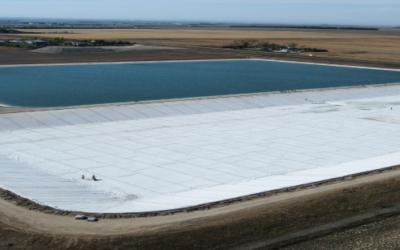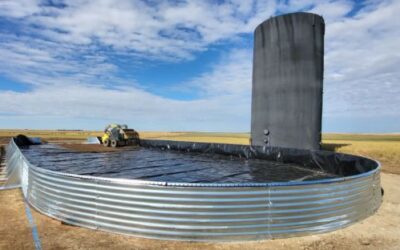
Pond liners are engineered geomembranes that create impermeable barriers for ponds, lagoons and secondary containment systems. Choosing the right material and installing it correctly are the two factors that determine long-term environmental protection and regulatory...
Blog & News
Welcome to our Blogs & News page! Here, you’ll find the latest updates, insights, and stories from our team and industry experts.
All posts
Real-World Failures: What Went Wrong With These Secondary Containment Systems and How to Prevent Them
Secondary containment systems are engineered barriers—liners, berms, sumps, and drainage controls—designed to prevent hazardous waste and oil from leaving storage areas and harming soil and groundwater. Real-world failures show that containment breaches are rarely the...
Secondary Containment: 2025 U.S. Standards, Best Practices, and Compliance Guide
What Is Secondary Containment—and Why It Matters Secondary containment refers to a backup system designed to catch and control hazardous spills—especially oil or chemicals—if the primary container fails. It's an essential safeguard to protect soil, groundwater, and...
The Best Spill Containment Products for U.S. Industrial Facilities
When it comes to spill containment products in the United States, one thing is certain: non-compliance is not an option. Whether you're running an oilfield operation in Texas, managing a chemical facility in Ohio, or building infrastructure in the Midwest, your site...
Containment System Design: Fluid, Soil & Seasonal Factors
Designing a high-performance containment system requires more than selecting materials and meeting code. For engineers, it involves understanding how containment systems interact with the site’s hydrology, soil mechanics, and long-term environmental stresses. This...
Secondary Containment Fertilizer Options for Large Farms
Large farms rely heavily on fertilizers to maintain productivity and crop yield. But with the increasing use of liquid fertilizers and chemicals comes a responsibility to store these materials safely. One of the most critical practices for doing this is installing...
Industrial Containment Systems for Oil and Gas: Protecting Operations and the Environment
The oil and gas industry faces some of the strictest environmental regulations in North America — and with good reason. From drilling and extraction sites to transport and storage terminals, the potential for hazardous liquid spills is significant. Industrial...
Secondary Containment Solutions with TCA
If your business handles hazardous liquids, chemicals, fuel, or wastewater, then secondary containment is not just a safety measure—it’s a legal requirement and a vital part of environmental responsibility. Whether you're operating in agriculture, oil and gas,...
The Role of Polyethylene Liners in Secondary Containment: A Complete Guide
In industries dealing with hazardous materials—ranging from oil and gas to agriculture and chemical manufacturing—environmental safety is non-negotiable. One of the most effective systems for minimizing the risk of contamination and ensuring regulatory compliance is...